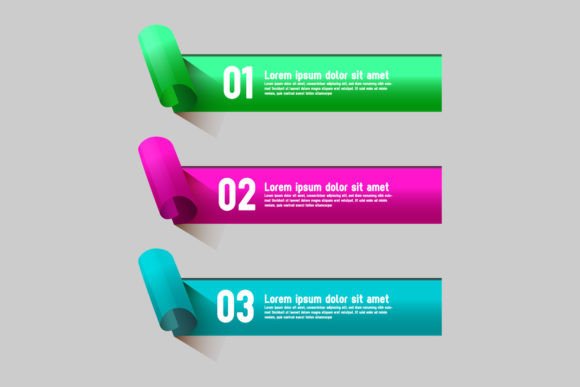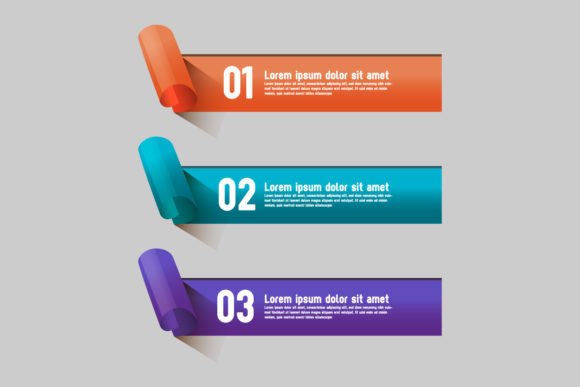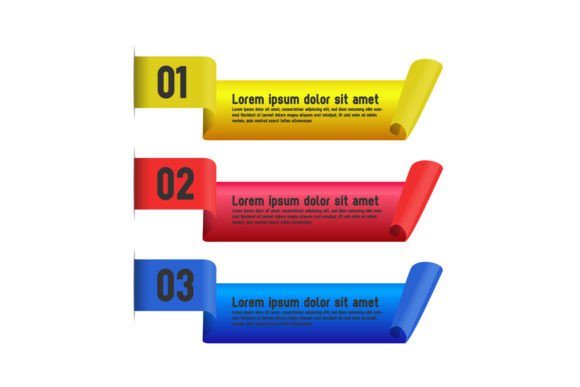
Roll Paper Color Labels Banner Graphic Guide
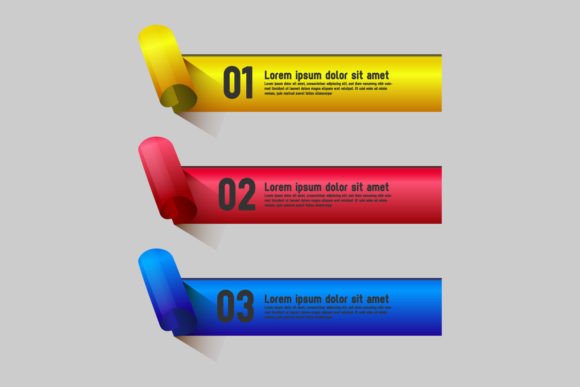
Designing for print and display often starts with finding the right base elements. A roll paper color labels banner graphic serves exactly that purpose. Think of it as a ready-made visual foundation that mimics the look of unfurled paper rolls combined with colorful label strips and banner shapes. Instead of building every shadow, fold, and curl from scratch, you get a professionally composed vector layout that you can adapt to your own project needs. This kind of asset saves time, keeps your work looking polished, and gives you a flexible starting point whether you are creating signage, social media posts, presentation slides, or physical printed materials.
The most useful version of this comes as a roll paper color labels banner infographic template vector. Vectors are built with mathematical paths rather than pixels, which means you can scale the graphic to any size without losing clarity. A tiny label on a business card or a massive banner for a trade show booth will both render with sharp edges and clean lines. The infographic template aspect adds another layer of usefulness. These designs often include space for text, icons, or data points arranged in a visually logical flow. You are not just getting a decorative picture. You are getting a structured canvas that helps you present information in a way that feels cohesive and intentional.
What Makes This Graphic Practical for Everyday Projects
At its core, the roll paper color labels banner concept blends three visual ideas. The rolled paper effect introduces a sense of depth and dimension, making a flat screen or printed page feel slightly more tactile. The color labels inject personality and help with visual organization. The banner form frames content and naturally draws the eye toward whatever message you place inside it. When these elements combine, they produce something that works well across a surprisingly wide range of tasks.
You might wonder why someone would choose a pre-made graphic like this instead of creating everything from scratch. The honest answer is efficiency and consistency. Small business owners preparing weekly promotional flyers, educators putting together classroom displays, or bloggers formatting downloadable checklists all benefit from having a reliable set of templates on hand. The roll paper color labels banner graphic removes repetitive design work and lets you focus on the unique parts of your content, like your specific wording, your chosen colors, and your brand voice.
Breaking Down the File Formats and Their Uses
You will receive this graphic across five common formats. Each one fills a specific role, and understanding them helps you pick the right one for your current task.
- Ai (Adobe Illustrator): This is the original editable vector file. If you have Adobe Illustrator or a compatible program, this is where you can dive deep into customization. Move individual elements, change stroke thicknesses, swap color palettes, or extract just the rolled paper section without the labels. The Ai format preserves layers and live shapes, offering the most editing freedom.
- Eps (Encapsulated PostScript): An older but widely trusted vector format. Eps files open smoothly in various design applications, including older software versions. Print shops often request Eps files because they reliably contain high-quality vector data. If you plan to send your design to a professional printer, having the Eps on hand adds a layer of compatibility.
- Png (Portable Network Graphics): A raster format that supports transparency. This is ideal for digital use. Place the graphic on top of a photo, a colored website background, or a presentation slide without any white box around it. Png files are pixel-based, so pick a size large enough for your intended use from the start.
- Jpg (Joint Photographic Experts Group): A compressed raster format with a solid background, usually white. Jpg files have smaller sizes, making them easy to share through email or drop into word processors without bloating the document. Use this for quick mockups, internal reports, or any context where transparent backgrounds are not necessary.
- Svg (Scalable Vector Graphics): A modern vector format built for the web. Svgs can be opened in browsers, coding environments, and many cutting-edge design tools. Because they remain crisp at any screen resolution, they work extremely well for responsive websites and digital interfaces. You can also animate Svgs with CSS or JavaScript if you want to add motion to your roll paper color labels banner graphic down the line.
Having all five formats means you are not locked into a single software ecosystem. You can start editing in a professional vector editor, drop a quick preview into a social media scheduler as a Png, or embed an Svg directly on your portfolio site. This flexibility protects your investment in the asset and supports a multipurpose workflow.
Print Projects That Benefit From Roll Paper Label Graphics
Printed materials remain a strong vehicle for both commercial and personal messaging. A roll paper color labels banner graphic fits naturally into flyers, posters, event programs, product packaging labels, and retail signage. The rolled paper detail adds a subtle realism that can make a flat sheet feel more dynamic. If you run a bakery and print monthly flavor cards, using this type of graphic as a background frame gives each card a cohesive branded look without requiring a designer every single month.
For decorators and crafters, these vector templates open up possibilities like custom wall art prints, scrapbook title blocks, or sticker sheets. Since the Ai and Eps files let you resize without consequence, you can tweak a design to fit a full letter-size frame or shrink it down to fit the spine of a handmade journal. The color label sections can be recolored to match room palettes, event themes, or seasonal motifs without much effort.
Digital Contexts Where These Templates Shine
Online content creation demands visuals that hold attention quickly. An infographic template anchored by a roll paper color labels layout gives your data presentation a structured flow. You might use the rolled paper section as a header area, place key statistics inside individual label blocks, and wrap everything in a banner shape that guides the reader top to bottom. This approach works well for blog post graphics, newsletter headers, Pinterest pins, and LinkedIn document carousels.
Course creators and freelancers can adopt these assets for lead magnets, workbook covers, and slide decks. Because the graphic arrives as an Svg too, you can integrate it directly into web-based platforms or course builders that accept vector uploads. The transparent Png version makes overlaying on photos remarkably simple. Place a photograph underneath, set a partially transparent label area on top, and add a callout text that draws attention without hiding the image completely.
Practical Considerations When Working With These Files
Before jumping in, think about software requirements. The Ai file needs a vector editor like Adobe Illustrator, Affinity Designer, or Inkscape. If you have never opened a vector file, start with the Png or Jpg to get comfortable, then gradually explore editing the Eps or Svg in a free program. Familiarity with basic tools like the selection arrow, color picker, and text tool will unlock most of the value here.
Color management matters when moving between screen and print. Rgb color mode works for digital displays. Cmyk mode is standard for offset and digital printing. The original Ai file likely comes in one mode; check it and convert if needed before sending to a printer. This small step avoids unpleasant color shifts where a bright label on screen turns muddy on paper.
Think about licensing as well. Most template assets grant a broad personal and commercial usage license, but terms vary. Confirm whether you can use the roll paper color labels banner graphic on products for resale, in client work without attribution, or as part of a logo. A quick licensing check saves headaches later, especially if you plan to include the design in merchandise like mugs, apparel, or stationery sets that you sell.
Building a Consistent Visual System
One underrated way to use this asset is as a visual anchor across multiple touchpoints. Take the same roll paper color labels banner infographic template vector and recolor it to match your project's primary palette. Use the banner shape on your website hero section, the label strips on your product packaging, and the rolled paper motif on your email footer. Repetition creates familiarity. Over time, your audience starts associating that particular visual cadence with your content or business, even if they do not consciously realize it.
Designers who work with batch content particularly appreciate this. When you need to produce ten social media graphics for an upcoming campaign, having a template that already includes labeled sections and a balanced composition cuts formatting time dramatically. Type your text, swap in a photo if applicable, export, and move on. This consistent rhythm makes your weekly content calendar feel far more manageable.
Who Can Get the Most Out of This Graphic Set
The audience for these assets spans widely. Bloggers building static resource libraries, marketers designing in-store promotional kiosk screens, and entrepreneurs assembling pitch decks all touch similar design needs. Educators crafting visual aids for classrooms or online courses appreciate the clarity that distinct label and banner sections provide. Students working on portfolio projects can use these templates to achieve a polished finish even while still developing their design skills.
Hobbyists and crafters also find genuine value. Scrapbooking, custom greeting card design, and DIY party decoration all fit within the scope of what a roll paper color labels banner graphic supports. The Png and Jpg files allow quick drag-and-drop into consumer-level software like Canva or even basic word processors, lowering the barrier to getting started without sacrificing visual quality.
Adapting the Graphic to Different Tonal Needs
The mood of these templates depends heavily on your color choices. Bright, saturated labels feel energetic and casual, suitable for children's event flyers or summer sale advertisements. Muted earth tones feel calmer and more professional, aligning with coaching materials, wellness brand content, and educational workshops. Because the Ai file keeps each element editable, you can target entirely different emotional responses from the same base structure. A wedding planner using soft blush and sage green rolls looks worlds apart from a tech startup using neon cyan and charcoal labels, yet both start from identical vector bones.
Getting Started Without Overwhelm
Begin by opening the Png file and simply looking at the composition. Notice where the natural focal points sit. Identify which sections feel like good spots for headings, subheadings, and body copy. Sketch out your content on paper before touching the software. Once you have a rough plan, open the Ai or Eps file and apply your brand colors to the main shapes. Save a master copy so you can easily create variations later.
For web use, export your final design as a Png at 2x resolution for crisp Retina displays. For print, work in the Ai or Eps file at the final output dimensions, convert to Cmyk, and export a press-ready PDF if your printer requests it. Keep the original Svg around for future website embeds where fast loading and infinite scalability are priorities.
The roll paper color labels banner graphic gives you a head start without boxing you in. It handles the foundation so you can spend your creative energy on the details that make your project distinctly yours. With five formats in hand and a clear sense of how each one supports a different stage of your workflow, you have everything needed to produce work that looks cohesive, professional, and entirely intentional.